veranomotors
Every luxury car depreciates. That part is unavoidable. What is avoidable is losing far more value than the car should, simply because of decisions made during ownership. Two identical models, same year, same mileage, can sell for a 20 to 30 percent gap in the UAE used market purely based on how they were owned, documented, and maintained.
Here is what actually drags resale value down, and what protects it.
Missing or Incomplete Service History
Nothing affects resale price in Dubai more than a gap in the service record. Buyers of used luxury cars are not just paying for the vehicle, they are paying for certainty, and a full authorised service history is the clearest proof that a car has been looked after properly.
A car with stamped, documented servicing from an authorised centre will consistently outsell an identical model with partial or missing records, even when the asking price is lower on the undocumented car. Skipped scheduled maintenance, servicing at unauthorised garages without proper documentation, or simply losing paperwork over the years all compress what a buyer is willing to offer, because they cannot verify what has or hasn’t been done.
High Mileage, Especially Above Segment Norms
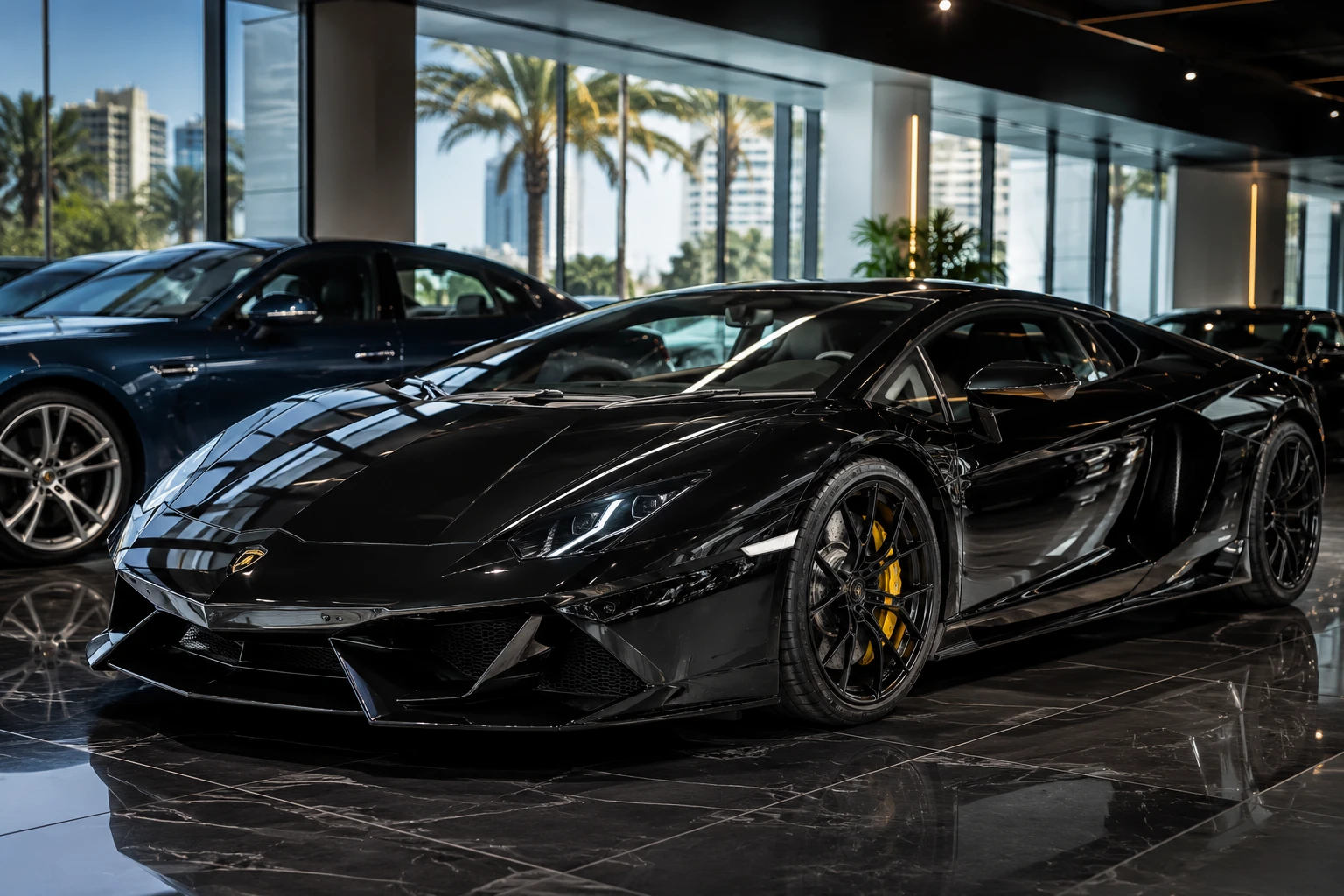
Mileage matters, but not in isolation. A three-year-old GT or supercar with 40,000 km will always be viewed less favourably than one with 8,000 to 12,000 km, since high-performance cars in the UAE are generally expected to be driven sparingly. On the other hand, a daily-use SUV with moderate mileage is not penalised the same way.
The rule that holds across almost every luxury segment: mileage that looks unusual for the type of car, rather than mileage in absolute terms, is what pulls the price down.
Non-GCC Import Status
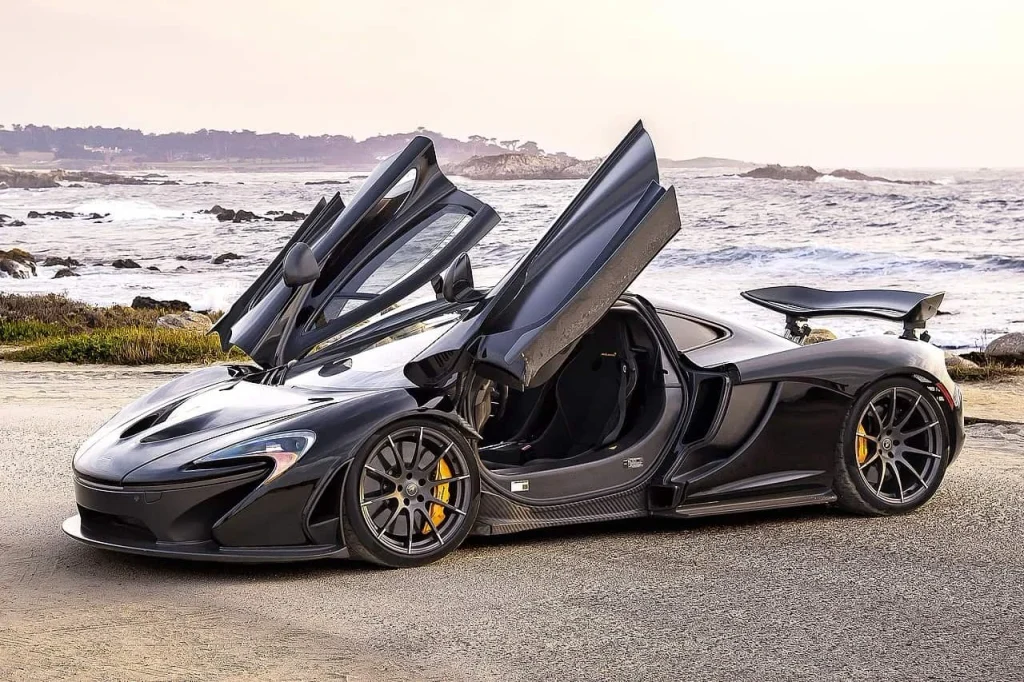
Vehicles imported from Europe, the US, or Japan without GCC specification typically sell for 10 to 15 percent less than an equivalent GCC-spec car in the same condition. Buyers associate GCC specification with proper climate calibration, correct warranty coverage, and easier access to parts. An imported car may be mechanically identical, but the market treats it as a step down regardless.
Accident History and Poor-Quality Repairs
A documented, professionally repaired minor incident is recoverable. A car with visible panel misalignment, mismatched paint, or an accident history that was never disclosed is a different story entirely. Once a buyer’s inspection uncovers undisclosed repair work, trust in the rest of the vehicle’s history collapses, and the price drops far more than the cost of the repair itself would suggest.
This is why professional pre-sale inspection and honest disclosure consistently produce better outcomes than trying to conceal past work.
Unusual Colours and Heavy Personalisation
Bold exterior colours, aftermarket wraps, and heavily customised interiors might suit the original owner perfectly, but they narrow the pool of buyers on resale. Black, white, and silver in factory configurations move fastest in Dubai’s used market. Custom paint, non-factory wheels, or extensive modification work rarely returns its original cost, and in some cases actively reduces the offer a buyer is willing to make, since reversing the work adds expense on their side.
Deferred or Neglected Maintenance
Cosmetic neglect is often the first visible sign of deeper maintenance issues, and buyers read it that way. Worn interior trim, a tired paint finish, or an unserviced air-conditioning system signal that other, less visible maintenance may have been skipped too. Luxury buyers in this market are experienced, and a car that looks under-cared-for invites a lower offer before a single mechanical check is even done.
Multiple Owners in a Short Period
A car that has changed hands three or four times in under five years raises a flag, even if every owner treated it well. Buyers assume something is wrong that hasn’t surfaced yet. A clean, single- or two-owner history is worth real money on top of the vehicle’s condition, simply because it signals stability.
Selling at the Wrong Time or Through the Wrong Channel
Timing and channel affect price more than most sellers expect. Listing a performance car in the middle of summer, when fewer buyers are actively viewing vehicles, typically means a longer time on the market and more pressure to accept a lower offer. Private listings without professional photography, accurate specifications, or verified condition reports also tend to undersell compared to a curated, well-presented listing.
How to Protect Your Car’s Value
Protecting resale value comes down to consistency, not one big decision:
- Service exclusively at authorised centres and keep every invoice
- Stick to GCC-spec vehicles where possible, especially for cars you plan to sell locally
- Repair any incident properly and keep the documentation, rather than hiding it
- Choose factory colours and avoid heavy personalisation if resale value matters to you
- Address cosmetic wear before it becomes a bigger issue
- Sell through a channel that presents the car properly, with real photos, an honest condition report, and market-accurate pricing
At Verano Motors, this is exactly what we assess when we value a car for sale: service history, specification, condition, and ownership pattern, weighed against real market demand rather than guesswork. It’s also why every vehicle in our inventory is listed with verified history and clear documentation. Buyers pay a premium for that certainty, and sellers benefit from it too.
The Honest Verdict
No luxury car escapes depreciation entirely, but the gap between a car that holds its value and one that doesn’t is rarely about the badge. It comes down to paperwork, specification, condition, and how honestly the car’s history is presented. The owners who protect resale value best are the ones who treat documentation and maintenance as part of ownership from day one, not as something to sort out right before selling.
Frequently Asked Questions
1. What single factor hurts a luxury car’s resale value the most?
A missing or incomplete service history has the biggest impact. Buyers cannot verify how well the car has been maintained, so they price in the risk, often more heavily than the actual condition of the car would justify.
2. Does non-GCC specification really affect resale price that much?
Yes. Imported, non-GCC cars typically sell for 10 to 15 percent less than an equivalent GCC-spec model, mainly because buyers associate GCC specification with proper climate calibration and warranty coverage.
3. Will an accident automatically ruin a car’s resale value?
Not if it’s disclosed and professionally repaired. What damages value far more is an undisclosed accident discovered during inspection, since it undermines trust in the rest of the vehicle’s history.
4. Do modifications ever add resale value?
Rarely for the average buyer. Heavy personalisation, custom paint, or aftermarket parts narrow the buyer pool and usually don’t return their original cost, even on performance models.
5. How much does mileage really matter compared to other factors?
It depends on the car. High mileage on a performance model is penalised more heavily than on a daily-use SUV, since buyers expect sports cars and supercars to be driven sparingly.
6. What’s the best way to sell a luxury car without losing value unnecessarily?
Get a professional valuation and condition report, present the car with accurate documentation, and list it through a channel that reaches genuine luxury buyers. Verano Motors handles this end to end, from inspection to a fair, market-based offer.