veranomotors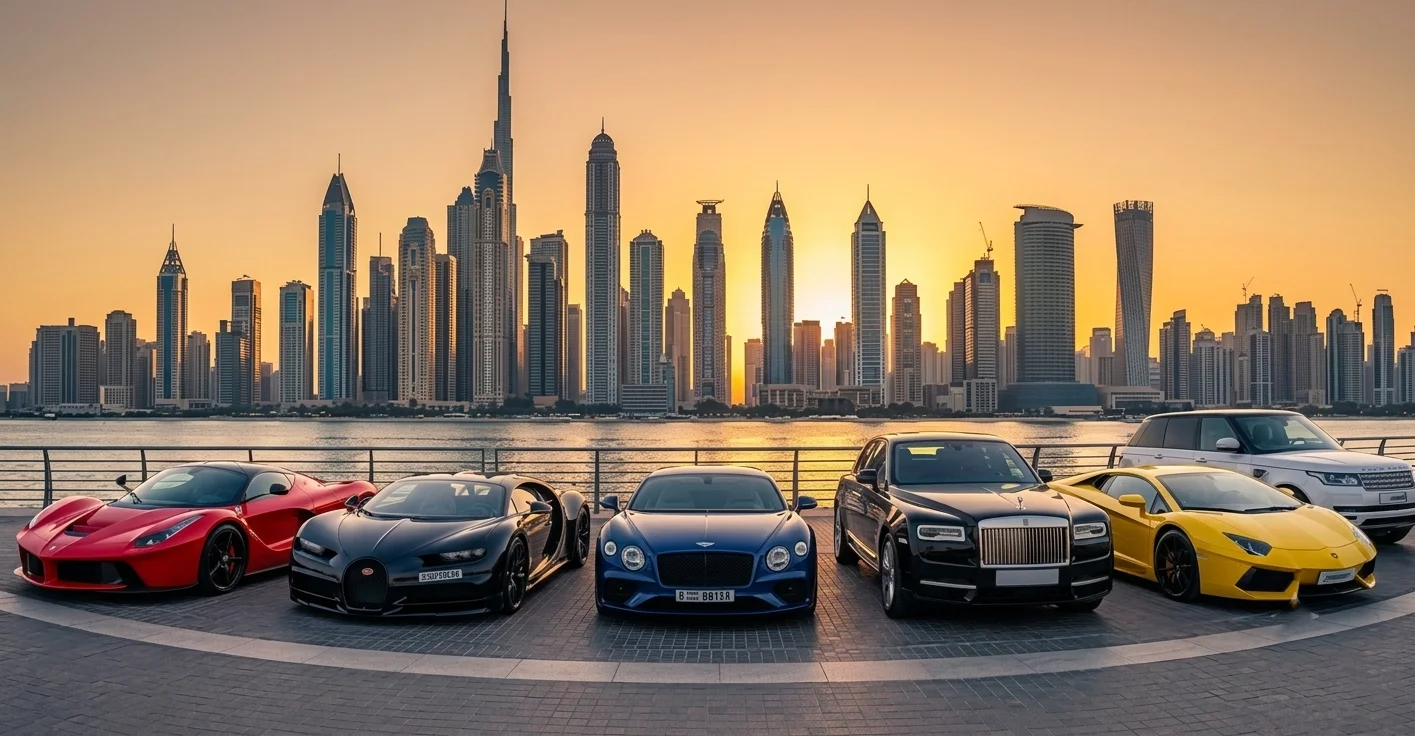
Dubai has earned its place as one of the world’s leading luxury car markets. The inventory, pricing, and buyer demand here are distinctive among major luxury car markets. A favourable tax structure, strong vehicle-import and re-export activity, and strong demand for newer and high-specification models all play a part. At Verano Motors, we see this firsthand in our day-to-day operations, helping buyers navigate a market that moves fast and rewards those who understand it.
Low Import Duties and Taxes Improve the Equation
The UAE does not levy personal income tax, and it applies a relatively low customs duty on vehicle imports, alongside 5 percent VAT on applicable transactions. Compared with some European markets, where VAT, registration charges, and vehicle-specific taxes can significantly increase the final purchase cost, that structure keeps acquisition costs meaningfully lower here.
That structural advantage is a big part of the foundation for everything else in this market. Lower acquisition cost pulls in more first owners, which means more cars entering circulation, which deepens the used and nearly-new market that follows.
The Region’s Wealth Concentration Feeds Constant Supply
Dubai sits at the centre of a region with some of the highest per-capita wealth concentrations in the world, and a culture where new vehicles are acquired often sometimes annually for high-net-worth buyers who prefer to stay current on the newest model year. That turnover releases a steady stream of low-mileage, recently-registered luxury cars into the secondary market.
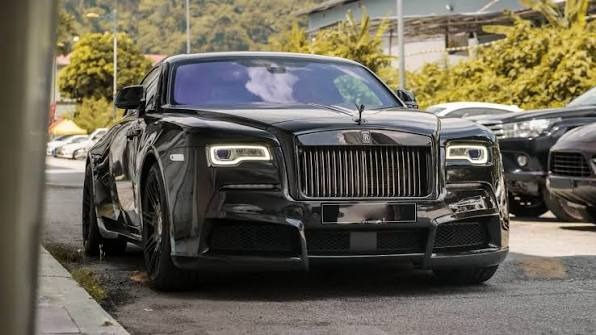
The result is a deep used and nearly-new inventory that can be difficult to match in many other markets. A two-year-old G63 with under 10,000 km on the clock, a Ferrari with full service history and single ownership, or a Rolls-Royce Wraith barely broken in these are not rare finds in Dubai.
GCC Specification and What It Actually Means
GCC-spec vehicles are generally built and equipped for the region’s climate and market requirements. Depending on the manufacturer and model, this can include differences in cooling, air-conditioning, equipment, and warranty coverage compared with grey-market imports. The specifics vary by brand, so “GCC-spec” is not a single fixed standard across every car.
What it does mean for a buyer is that the vehicle was intended for these conditions from the factory, rather than adapted after the fact. That said, specification is only part of the picture; a used vehicle’s actual maintenance history and condition matter just as much, regardless of where it was originally built for. GCC-spec cars often attract stronger buyer demand and may command better resale value than comparable grey imports, though the difference varies by model and condition.
A Genuinely Global Buyer Base
Dubai’s position as a logistics and trade hub means the city attracts serious buyers from Europe, Asia, Africa, and the Americas, not just regional demand. That global interest keeps prices competitive even on rarer specs, because sellers are not limited to a single domestic market. It also means export documentation, customs paperwork, and international shipping are well-understood, routine processes for dealers here.
This is part of why Dubai has become a major regional hub for vehicle imports and re-exports, with cars purchased here regularly moving on to buyers across the globe.
Depreciation Can Work in the Informed Buyer’s Favour
Luxury cars can depreciate significantly during their first few years of ownership, though the rate varies widely by brand, model, mileage, condition, and market demand. A Ferrari, a Rolls-Royce, and a mainstream luxury sedan will not follow the same curve, and no single percentage applies evenly across the market.
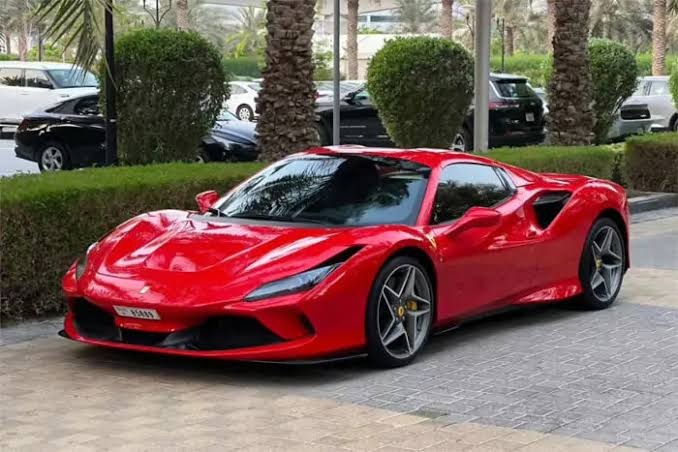
For buyers, this depreciation creates an opportunity: it is often possible to buy a relatively new vehicle at a substantially lower price than its original cost as new. A two-to-three-year-old supercar or top-tier sedan can offer a very similar ownership experience to a new one, at a meaningfully lower purchase price. Buyers who understand this dynamic tend to get more cars for their money than those who insist on buying brand new.
Modern Payment Flexibility
Dubai’s luxury car market offers a range of payment options. Bank transfers and financing through UAE banks are commonly used, and cryptocurrency payments are also available at some Dubai luxury car dealers. At Verano Motors, we accept Bitcoin, Ethereum, and Tether (USDT) alongside conventional payment methods. For international buyers or those holding assets in crypto, this can be a useful option to have available.
Buying Smart in a Market This Deep
None of these advantages matter if the car itself is not what it claims to be. The depth of Dubai’s market is also what makes due diligence essential: verified service history, an honest condition report, and transparent documentation separate a genuinely well-maintained vehicle from one that only looks the part in photos.
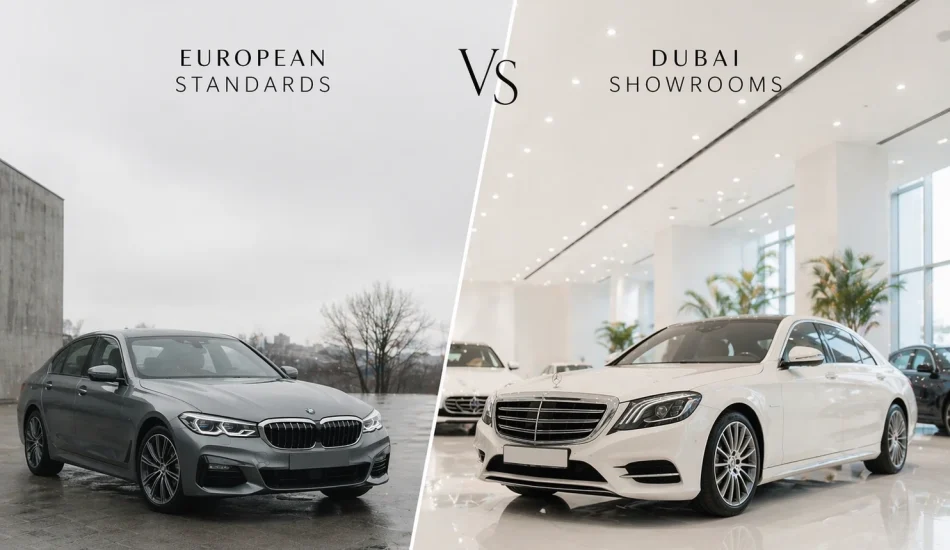
Every vehicle in our inventory is presented with complete specifications, real photos, and clear paperwork, so you can shortlist quickly and book a viewing with confidence. We bring European sales standards to a market that moves at Dubai speed, no exaggerated claims, no surprises after the sale. Whether you are ready to browse our current inventory or want to sell a luxury car of your own, the same transparent approach applies either way.
Frequently Asked Questions
1. Why is Dubai considered one of the world’s leading markets for luxury cars?
The combination of relatively low import duties, no personal income tax, high regional buyer turnover, and climate-suited GCC specification creates a deep, competitively priced luxury inventory that is hard to match in many other cities.
2. Are luxury cars actually cheaper in Dubai than in Europe or the US?
Often, yes, particularly compared with markets that carry high VAT or vehicle-specific import taxes. Because acquisition costs are generally lower here, used and nearly-new examples in Dubai frequently sell well below their original new price.
3. What does GCC specification mean, and does it matter?
GCC-spec vehicles are generally built and equipped for the region’s climate and market requirements, though the specific differences vary by manufacturer and model. It’s a meaningful factor in buyer demand, but a car’s actual maintenance history and condition matter just as much.
4. Is it safe to buy a used luxury car in Dubai?
Yes, provided you buy through a dealer that verifies service history and provides a transparent condition report. At Verano Motors, every listing includes documented history, and we encourage independent pre-purchase inspections.
5. Can international buyers purchase a car in Dubai and export it?
Yes, Dubai is a major regional hub for vehicle imports and re-exports, and reputable dealers regularly handle export documentation, customs paperwork, and shipping to Europe, Asia, and beyond.
6. Does Verano Motors accept cryptocurrency for luxury car purchases?
Yes, We accept Bitcoin (BTC), Ethereum (ETH), and Tether (USDT), alongside standard bank transfers and cash, and can guide you through the process for a smooth transaction.