veranomotors
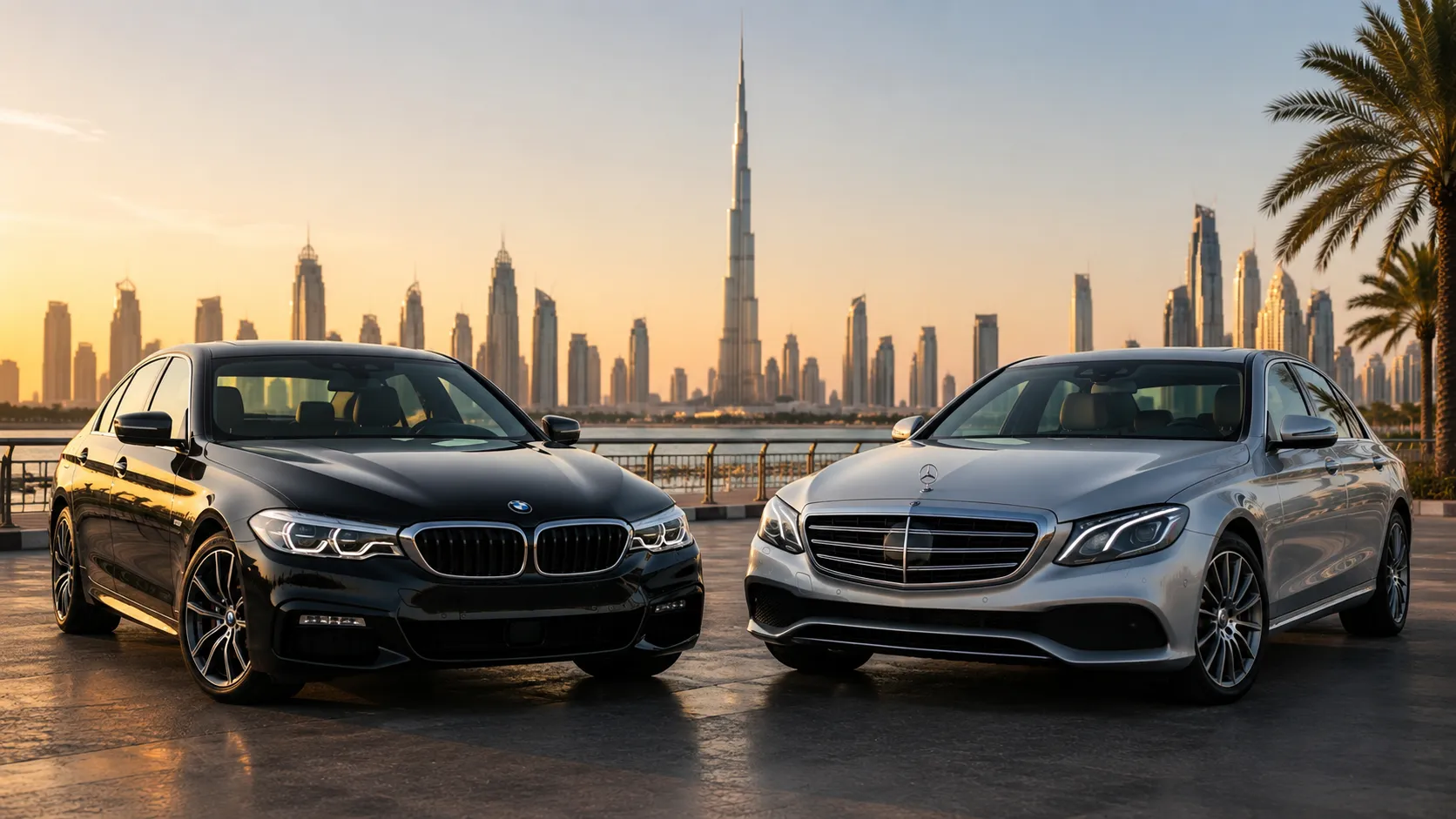
Both BMW and Mercedes-Benz are serious purchases. Both depreciate. But they do not depreciate at the same rate, on the same models, or for the same reasons. In the UAE, where cars change hands frequently and the used market is highly active, the difference in resale performance between these two brands is specific enough to influence which model you should buy from the start.
Here is how the numbers actually compare.
How Depreciation Works in the UAE Market
New vehicles in the UAE lose roughly 15 to 20 percent of their value the moment they are registered as used. From that point, depreciation continues at a rate determined by brand perception, maintenance cost reputation, model popularity, and the depth of demand in the local used market.
For most premium German sedans, three-year depreciation in the UAE runs between 35 and 50 percent. Where BMW and Mercedes diverge is in which models hold up, and why.
Mercedes-Benz: Strong at the Top, Softer in the Middle
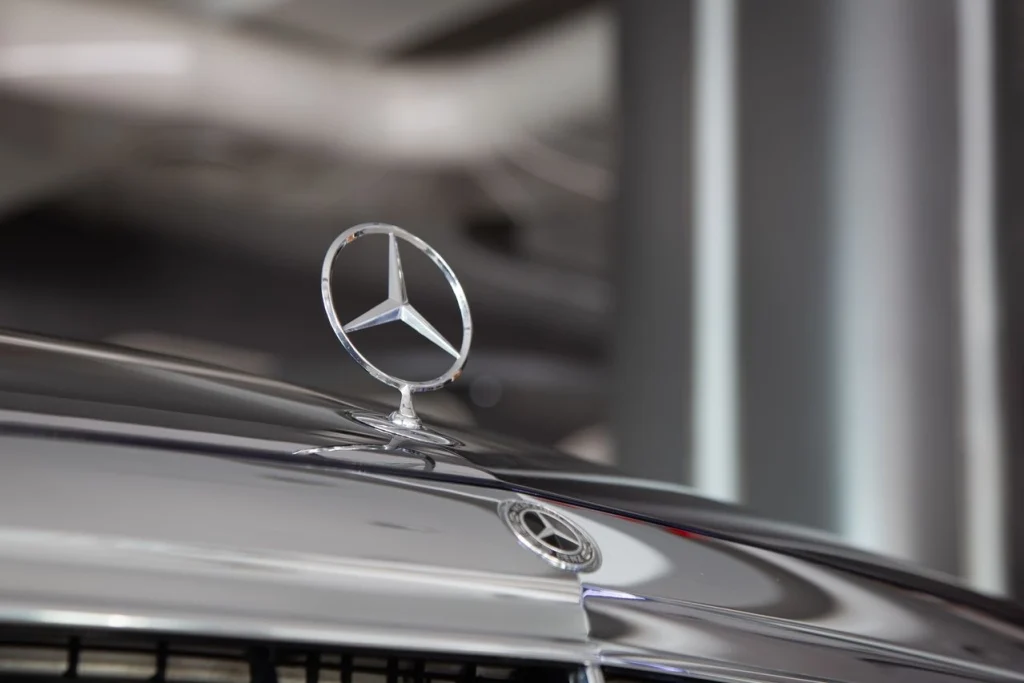
The Mercedes resale story in the UAE splits cleanly between its flagship and volume models.
At the top, the G-Class is in a category of its own. A two-year-old G63 with low mileage frequently retains up to 90 percent of its original purchase price. Production is deliberately controlled at the Graz factory, UAE waitlists regularly run six to eighteen months for new units, and demand on the secondary market is deep and consistent. The G-Class does not follow the normal depreciation curve. It largely ignores it.
The S-Class holds well within its segment, supported by strong demand from UAE nationals and expatriates who treat it as the default executive choice. GLE models with clean service histories also retain buyer interest reliably. The E-Class and C-Class sit in softer territory. Three-year depreciation on a GCC-spec E-Class typically runs 35 to 45 percent, and the primary reason is maintenance cost perception. Buyers in the used market correctly understand that out-of-warranty Mercedes servicing is expensive, which compresses what they are willing to pay for mid-range examples.
BMW: Performance Reputation, Steeper Depreciation on Volume Models
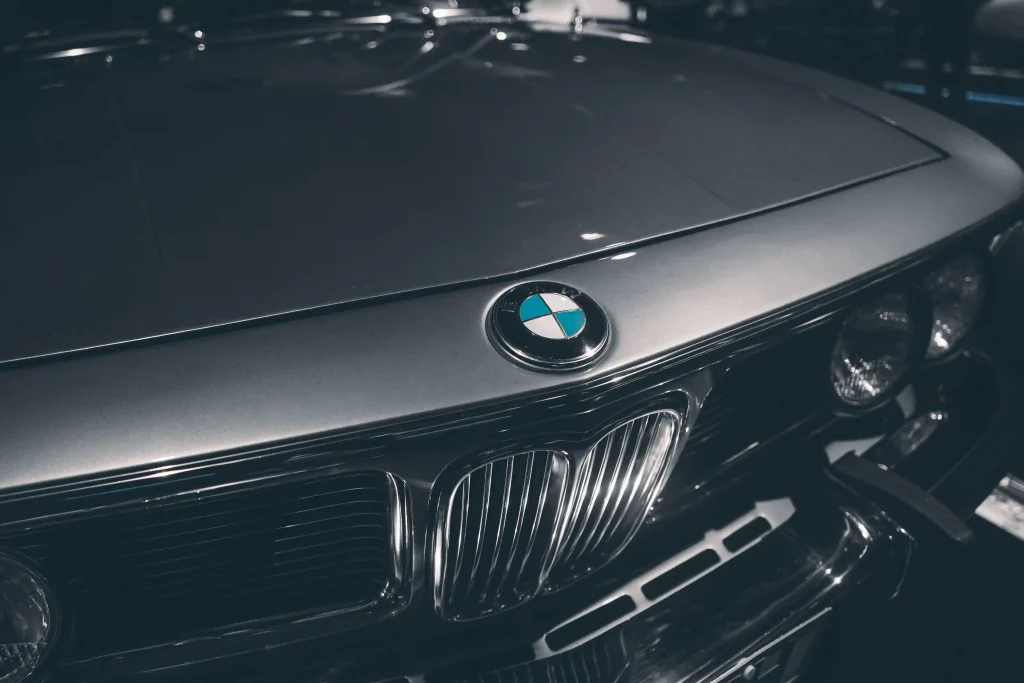
BMW’s resale performance in the UAE follows a similar pattern to Mercedes, though the overall depreciation rates on volume models tend to run slightly steeper. Three-year depreciation on the 3 Series and 5 Series typically falls in the 40 to 50 percent range.
The X5 performs reasonably well, particularly in six-cylinder and plug-in hybrid variants. Large V8 versions are more price-sensitive in the used market due to higher running costs. The 7 Series, BMW’s direct rival to the S-Class, shows softer resale than its Mercedes counterpart, partly because the S-Class carries stronger cultural preference in the UAE executive segment.
Where BMW holds its own most consistently is in driver-focused performance models. M-series variants maintain stronger residuals than their standard equivalents, driven by enthusiast demand and limited supply. A well-specified M4 or X5 M retains a more committed buyer pool than a standard 5 Series at the same age and mileage.
The Deciding Factors: What Actually Affects Resale in the UAE
Across both brands, resale value in the UAE is determined by the same four variables regardless of the badge.
GCC specification is non-negotiable. GCC-spec examples consistently command 10 to 15 percent more than equivalent European or American imports on the secondary market. Buyers understand that GCC-spec vehicles are calibrated for the climate and come with appropriate warranty coverage.
Service history from an authorised dealer is the single most influential factor on pricing. A well-documented service record from an authorised centre shifts asking prices materially, and its absence compresses them equally.
Mileage and age interact differently here than in Europe. UAE highway mileage is considered lower-stress than European urban mileage of the same figure, but the market still penalises high numbers on premium vehicles. Two to three year old examples consistently offer the best value position for buyers and the least painful exit point for sellers.
Colour and specification matter more than in most markets. Black, white, and silver in standard configurations move faster. Unusual colours and heavy optional packages add cost at the time of purchase but do not always recover that cost on resale.
The Honest Verdict
For outright resale performance, Mercedes holds the edge in the UAE, primarily because of the G-Class at the top of the range and stronger brand perception in the executive sedan segment. If resale value is the primary consideration, a well-specified GLE or S-Class will exit the market more cleanly than a BMW equivalent.
BMW is the right choice for buyers who prioritise the driving experience and are buying with a clear ownership period in mind rather than treating the car as a financial asset. The depreciation is manageable when it is planned for from the outset.
At Verano Motors, we see both brands move consistently through our inventory. The vehicles that exit fastest regardless of badge share the same profile: GCC specification, authorised service history, clean condition, and sensible mileage. Those fundamentals matter more than the brand debate in the moment of resale.
Frequently Asked Questions
1. Which brand holds its value better in the UAE, BMW or Mercedes? Mercedes generally holds the edge, particularly due to the G-Class and stronger demand for the S-Class in the UAE executive market. BMW’s volume sedan models tend to depreciate slightly faster, though M-series and popular SUV variants perform better than average.
2. What is the typical depreciation rate for BMW and Mercedes in the UAE? Most volume models from both brands depreciate 35 to 50 percent over three years in the UAE. The G-Class is the significant exception, retaining up to 90 percent of its value at two years old due to supply constraints and consistently deep demand
3. Does GCC specification affect resale value? Yes, significantly. GCC-spec vehicles command a 10 to 15 percent premium over imported equivalents on the UAE used market. Buyers correctly associate GCC specification with climate suitability, proper warranty coverage, and part availability.
4. Which Mercedes models hold value best in the UAE? The G-Class leads by a significant margin. The S-Class and GLE with clean service histories also retain value well. The E-Class and C-Class sit in softer territory due to maintenance cost perception among used buyers.
5. What is the most important factor for resale value in the UAE? Authorised dealer service history is the single most influential factor across both brands. A complete, documented service record from a brand-authorised centre can shift the asking price materially compared to an equivalent vehicle without one.